Tallow has been used for generations as a versatile and nourishing ingredient, yet many people today are rediscovering its remarkable benefits. Whether used for skincare, cooking, or household products, Hillview Craft Tallow offers a natural, nutrient-rich alternative to many modern synthetic options. As more individuals look for clean, sustainable, and traditional solutions, tallow continues to gain popularity as a reliable and highly effective choice. Understanding its advantages can help you make informed decisions about the products you bring into your home and the ingredients you use to support your well-being.
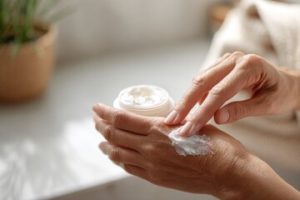
At its core, tallow is rendered animal fat known for its exceptional stability and nutrient density. It contains vitamins, fatty acids, and antioxidants that are beneficial to the skin and body. Because it is minimally processed and free from harsh additives, tallow is often favored by those seeking natural, wholesome alternatives to commercial products. Whether you are looking to enhance your self-care routine or incorporate more sustainable practices into your lifestyle, tallow can offer a wide range of benefits.
Why Tallow Is Becoming Popular Again
While tallow was once a staple ingredient in traditional households, it became less common with the rise of synthetic skincare and cooking fats. However, many people are now turning back to natural, time-tested ingredients that offer real benefits without unnecessary chemicals. Tallow has become a favorite because it is simple, effective, and versatile. Its nutrient content closely resembles the fats naturally found in human skin, making it an excellent choice for skincare and moisturizing routines.
Beyond personal care, tallow has become a popular ingredient in homemade candles, soaps, and balms. Its ability to create durable, long-lasting products makes it an appealing option for those interested in natural crafts or sustainable living. Its long shelf life also sets it apart from other natural fats that may oxidize or spoil quickly.
Nutrient Profile That Supports Skin Health
One of the strongest reasons tallow stands out is its nutrient composition. It contains essential fat-soluble vitamins and fatty acids that promote hydration, elasticity, and skin repair. People with dry, damaged, or sensitive skin often find tallow-based products soothing and restorative because they mimic the protective oils already present in the skin.
Here are two notable benefits of tallow for skincare:
- Rich in Fat-Soluble Vitamins:
- Tallow contains vitamins A, D, E, and K, which play critical roles in cell repair, collagen production, and skin rejuvenation.
- Supports Skin Barrier Function:
- The fatty acids found in tallow help strengthen the skin’s natural moisture barrier, reducing dryness and irritation.
Because it absorbs easily and delivers nutrients directly to the skin, tallow is often used in moisturizers, balms, and salves designed for sensitive or aging skin.
A Gentle Option for Sensitive Skin
People struggling with sensitivities, rashes, or chronic dryness often find relief with tallow-based skincare. Unlike petroleum-based creams or heavily fragranced lotions, tallow is naturally soothing and free from unnecessary additives. Its composition aligns closely with the skin’s natural oils, which helps minimize irritation and improve overall comfort.
Tallow’s gentle properties make it suitable for individuals of all ages, including children and those with delicate or reactive skin. Its ability to calm inflammation and support moisture retention makes it a trusted option for everyday use. Whether applied to dry elbows, cracked heels, or irritated skin, tallow offers a calming, hydrating experience that feels both natural and effective.
Culinary Uses for a Nutrient-Dense Lifestyle
Beyond skincare, tallow has long been valued as a traditional cooking fat. Its high smoke point makes it excellent for frying and sautéing, while its rich flavor enhances a wide variety of dishes. Many people prefer tallow because it is stable under high heat and does not break down as easily as some modern cooking oils.
From a nutritional standpoint, tallow provides essential fatty acids and can contribute to balanced energy levels. It is also valued for its clean, simple composition, free from artificial preservatives or industrial processing methods. Whether used for cooking vegetables or preparing comfort foods, tallow offers a wholesome and natural option.
Here are two key advantages of its culinary use:
- High Heat Stability:
- Tallow does not oxidize quickly during cooking, making it a reliable fat for frying and browning foods.
- Contains Beneficial Fatty Acids:
- It provides a blend of saturated and monounsaturated fats that support various bodily functions.
For individuals adopting traditional cooking practices or seeking alternatives to processed oils, tallow can be an excellent addition to the kitchen.
An Eco-Friendly and Sustainable Choice
One of the most significant environmental benefits of tallow is that it helps reduce waste. It is often made from parts of animals that might otherwise be discarded, supporting sustainable and responsible resource usage. By choosing tallow-based products, consumers can help minimize environmental impact while supporting practices that emphasize reuse and efficiency.
Tallow is also biodegradable, which makes it appealing for those seeking eco-friendly household items. Products such as candles, soaps, and salves made from tallow break down naturally and do not contribute to chemical pollution. For individuals striving to reduce their carbon footprint, tallow offers a natural and responsible choice.
Versatile Household Applications
Another advantage of tallow is its wide range of household uses. Many people enjoy crafting their own soaps, balms, and candles using tallow as a base. Its consistency and stability help create durable, long-lasting products that perform well without synthetic stabilizers or fillers.
Home crafters appreciate tallow for its straightforward rendering process and its ability to blend well with herbs, essential oils, and natural additives. Whether you are creating homemade skincare items or natural cleaning products, tallow provides a reliable and customizable foundation.
Ideal for Natural and Minimalist Lifestyles
With the growing interest in minimalism and natural living, tallow fits perfectly into a lifestyle that prioritizes simplicity and quality. Many people are moving away from complicated ingredient lists and choosing versatile products that can serve multiple purposes. Tallow checks all the boxes—it is natural, effective, and suitable for everything from skincare to cooking.
Tallow-based products also appeal to those looking to eliminate synthetic chemicals from their daily routines. By relying on traditional ingredients, individuals can create clean and wholesome environments that support both health and sustainability.
How Tallow Supports Long-Term Wellness
Tallow contributes to long-term wellness in various ways, from nourishing the skin to supporting the body with clean, natural fats. Individuals who incorporate tallow into their routines often appreciate the noticeable improvements in skin hydration, texture, and comfort. Over time, tallow-based products can help restore balance, promote resilience, and support the body’s natural healing processes.
Because tallow is free from harsh additives, it reduces exposure to synthetic chemicals, artificial fragrances, and irritants commonly found in commercial products. This makes it ideal for those who want to maintain healthy lifestyles and avoid unnecessary toxins.
Choosing Quality Tallow Products
For the best experience, it is helpful to choose high-quality tallow that has been rendered using clean, traditional methods. Look for products that avoid artificial ingredients and maintain the natural integrity of the fat. Whether purchasing skincare items or cooking fats, selecting well-crafted tallow ensures you receive its full range of benefits.
When exploring tallow-based products, consider:
- Purity of Ingredients
- Minimal Processing Methods
These factors can help you find the most effective and nourishing options for your needs.
Tallow is a timeless, versatile, and deeply nourishing ingredient that supports a holistic approach to health and home care. Its rich nutrient profile, skin-friendly properties, and sustainable benefits make it an exceptional choice for individuals seeking natural alternatives. Whether you are exploring traditional cooking practices, embracing natural skincare, or adopting eco-conscious habits, tallow provides a dependable and effective solution.
Incorporating tallow into your lifestyle can lead to healthier skin, cleaner living, and a deeper appreciation for traditional, natural ingredients. As more people rediscover the value of tallow, it continues to prove itself as a powerful and practical option for daily wellness.